
Rolling Coastal Horizons: Cornwall’s Lighthouses Made Welcoming
Set out to discover accessible routes to Cornwall’s lighthouses for wheelchairs and prams. From step‑free viewing points and thoughtful facilities to windswept stories and practical packing, this guide brings inclusive coastal magic within reach and invites your tips, photos, and up‑to‑date access notes to help fellow explorers plan confidently.
Planning the Journey with Confidence
Good days on rugged coasts start with calm preparation. Check parking, gradients, surfaces, and opening hours before leaving home, and call visitor centres when details seem unclear. Factor wind direction, daylight, and rest stops, and remember winter timings can change quickly. Build gentle options and turning points into your plan, and keep offline maps ready for patchy signal, so every member of your group feels relaxed, respected, and unhurried from start to finish.
Mapping Gentle Gradients
Pair online mapping with local knowledge to avoid punishing climbs. Terrain layers help spot contours, while National Trust and South West Coast Path pages highlight easier stretches and firm surfaces. Mark benches, gates, and alternative track spurs, allow extra time, and prioritise the most scenic, least bumpy first sections before energy dips.
Parking and Drop-Off Ease
Aim for car parks with Blue Badge bays, generous turning space, and pay systems you can manage without steps. At busy headlands, check seasonal opening and possible height barriers. Plan a safe drop‑off near gates, avoid blocking farm tracks, and note the exact car park name for easy return and emergency directions.
Step‑Free Paths to Iconic Beacons
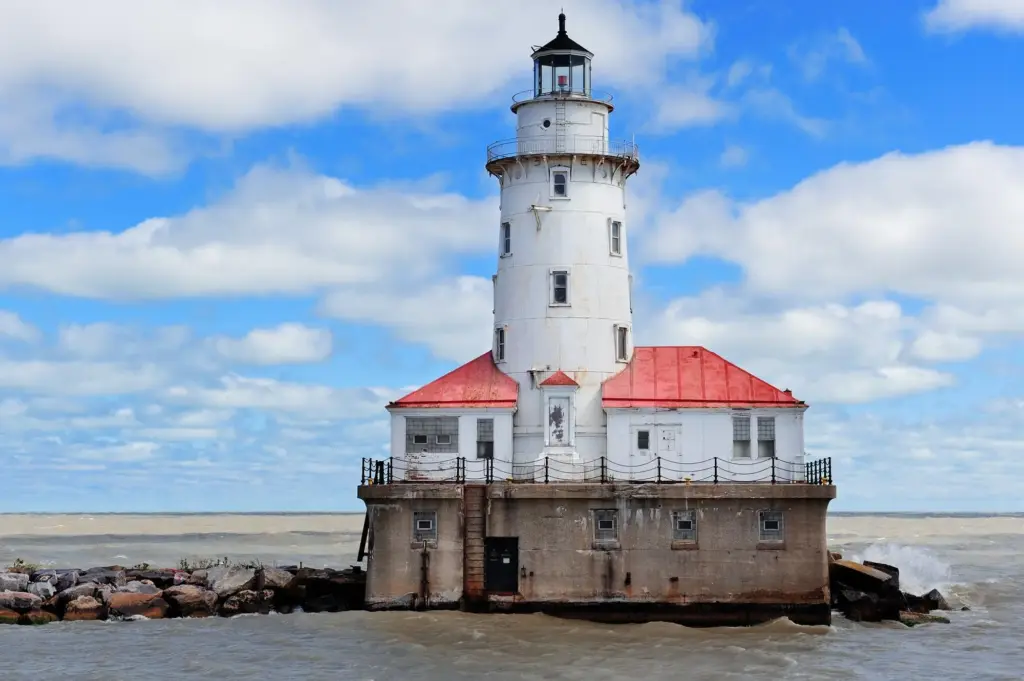
While many towers perch on rugged cliffs, several vantage points and one excellent visitor centre welcome wheels with thoughtful design. Expect paved promenades, short firm tracks, accessible parking, and helpful staff. Always verify current details locally, as surfaces and arrangements can change with weather, maintenance, land ownership, or conservation needs.





Comfort Stops, Facilities, and Friendly Cafés
Small comforts multiply joy on blustery days. Seek accessible toilets with reliable hours, baby‑changing rooms, and cafés that welcome prams and mobility aids without fuss. Warm corners, wind‑free seating, and patient staff turn fleeting pauses into restorative breaks that keep everyone smiling, hydrated, and ready for the next viewpoint.
Safety First on Dramatic Headlands
Clifftop splendour deserves measured care. Keep braking hands ready, respect fences, and give edges wide clearance. Agree signals, assign buddies, and move at the speed of the least‑steady traveller. If a gate or camber looks risky, turn confidently, knowing photographs from safer angles still carry unforgettable lighthouse magic.

Surfaces, Cambers, and Negotiating Gates
Expect gravel, shallow ruts, and slight cambers on exposed lanes. Wide tyres or a freewheel attachment can help, while companions scout ahead for awkward latches. Avoid lifting near drop‑offs; instead, choose alternate lines or retreat early. Document obstacles kindly and report issues so future visitors can prepare thoughtfully.

Wind, Sound, and Sensory Load
Atlantic gusts funnel between headlands, amplifying noise and chill. Use rain covers as windbreaks for prams, add ear protection for sensitive travellers, and stabilise loose items. Practise quick brake locks, keep conversations close‑by, and limit exposure on open plateaus where sudden squalls can overwhelm steering and balance.
Stories from the Path: Real Moments
Personal snapshots reveal what maps cannot. A wheelchair user rolling through the Lizard visitor centre, a parent rocking a pram while seals bob near Godrevy, grandparents sharing a bench at Land’s End—each vignette proves inclusive journeys are possible, beautiful, and absolutely worth the thoughtful, flexible planning behind them.

Packing Smart for Coastal Ease
Lightweight preparedness unlocks freedom. Combine traction aids, warm layers, and simple tools with snacks, hydration, and power for phones or chair controls. Add rain covers, small blankets, and lens cloths, and set a checklist so departures stay calm, returns feel effortless, and memories outnumber mishaps ten to one.
Pack a puncture kit or sealant for pneumatic tyres, a compact pump, and a multi‑tool. For power chairs, carry a battery status plan and backup power bank for phones. A short tow strap, spare valve caps, and duct tape can solve little surprises before they sour the mood.
Windproof layers, wheelchair ponchos, and a pram rain cover keep bodies comfortable when squalls blow through. Microfibre cloths wipe salt spray from rims and lenses, while zip‑bags protect chargers and snacks. Finish with hats, mitts, and a thermos, transforming breezy pauses into cosy, photo‑worthy, morale‑boosting interludes.