
Circle the Beacons: Cornwall’s Lighthouse Loop Walks
Start Smart: Safety, Maps, and Sea‑Savvy Planning
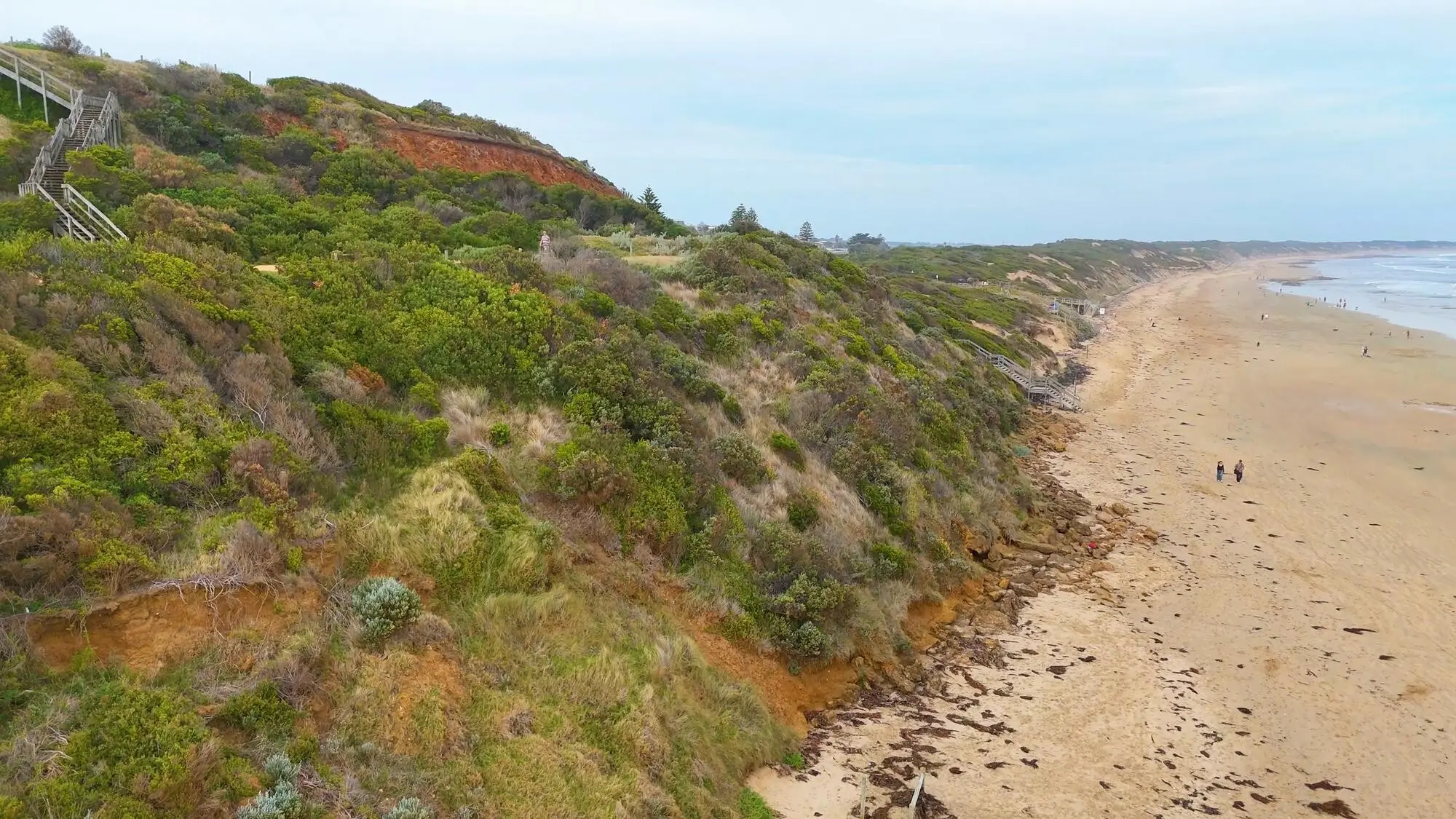
Lanterns in the Storm: History Alive on the Cliffs
Godrevy’s white tower and a spark of literary memory
Longships and the bravest miles at the land’s far edge
The Lizard’s guiding beam and the heartbeat of the coast
Three Circular Adventures to Try Next Weekend
Wild Company: Birds, Seals, Flowers, and the Turning Year
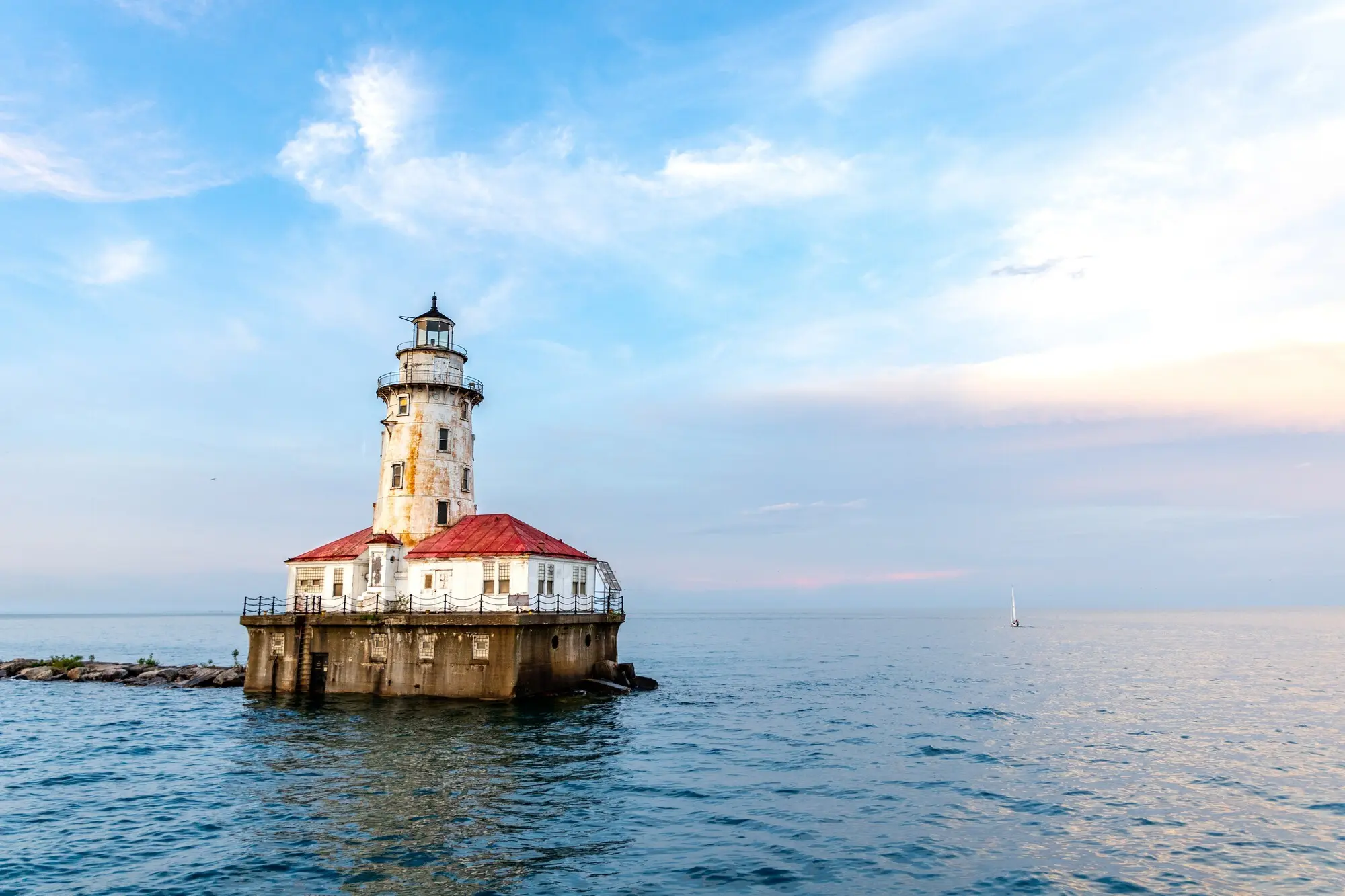
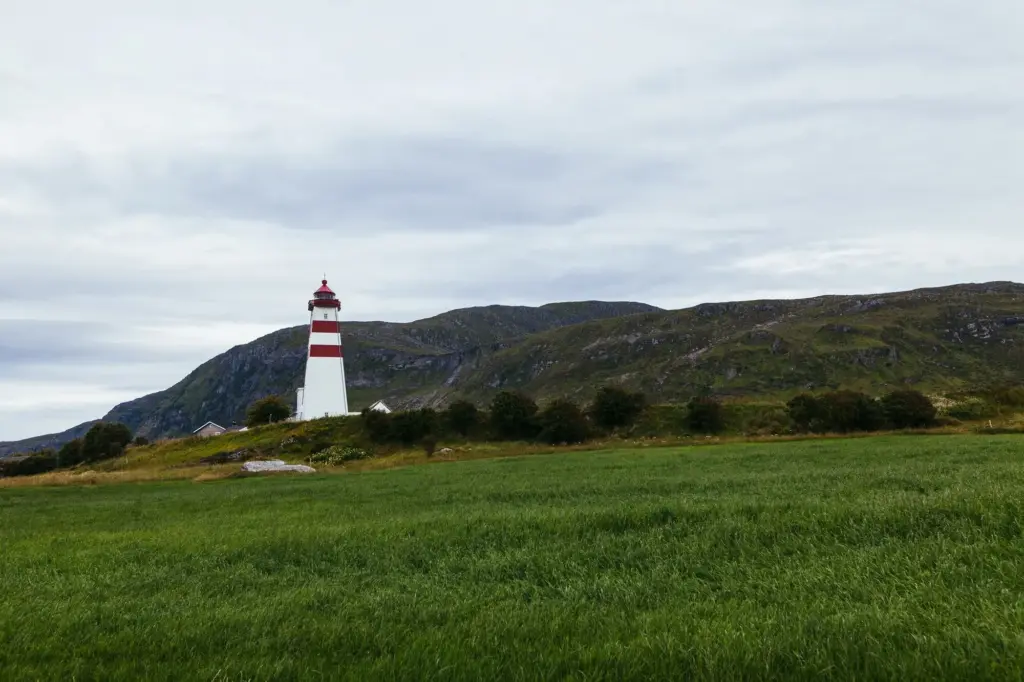
Photographer’s Playbook: Light, Composition, and Care near the Edge
Chasing light that flatters stone and spray
Arrive early, watch cloud seams open and close, and let shifting light decide how the tower speaks. Side light sculpts ribs and ladders; backlight gifts silhouettes against lifting spindrift. Even fog has poetry, compressing space so beams feel tangible. Bracket exposures gently rather than forcing extremes, and carry a cloth for sticky salt. Above all, keep breathing space in each frame—coastlines feel bigger when sky can exhale, and the lighthouse becomes a character rather than a prop.
Foreground first: tell a textured story
Kelp, thrift, tide lines, and wet granite draw viewers into the scene long before their eyes climb to the lantern. Kneel, lean, and notice modest details that anchor the photograph with place. Leading paths, fence posts, and foam arcs can suggest the loop you’re walking, inviting viewers to imagine their own footsteps. Remember gentle depth-of-field choices, and resist oversmoothing seas into anonymous silk. Leave a hint of Atlantic muscle intact, so the beacon’s purpose hums inside the picture.
Safety and respect when the frame beckons dangerously
If a composition demands one more step toward an edge, invent a new composition. Wet grass, crumbling overhangs, and playful gusts are indifferent to talent or gear. Keep one body-length from drop-offs, weigh tripods, and ask a partner to spot during long exposures. Obey signage, defer to wardens, and avoid flash where wildlife flinches. Report hazards rather than ignoring them, and share safer vantage points generously, proving that great images and great judgment not only coexist, they enhance each other.