
Where Sea Meets Sky: Walking Cornwall’s Lighthouse Headlands at Dawn and Dusk
Today we explore the best sunrise and sunset walks to Cornwall’s lighthouse headlands, following cliff-top paths where the Atlantic shapes light, color, and mood. Expect glowing horizons, wheeling seabirds, distant bell-buoys, and the soft pulse of beacons guiding mariners. Along the South West Coast Path, every bend reveals a new perspective, from gentle coves to granite promontories that drink in first light and wave goodbye to the sun with unforgettable, shimmering flare.
Before the Sun: Blue Hour Clues
Arrive while stars still linger and the horizon whispers faint indigo. Blue hour compresses time, softening cliffs and lantern glass into quiet gradients that photographers love. Use this calm to adjust expectations, study cloud height, and settle nerves. When color begins to lift, you’re already in position, feet sure on the path, ready to trace the first pearly edge of day across the waterline and the patiently standing towers.
When Everything Turns to Honey
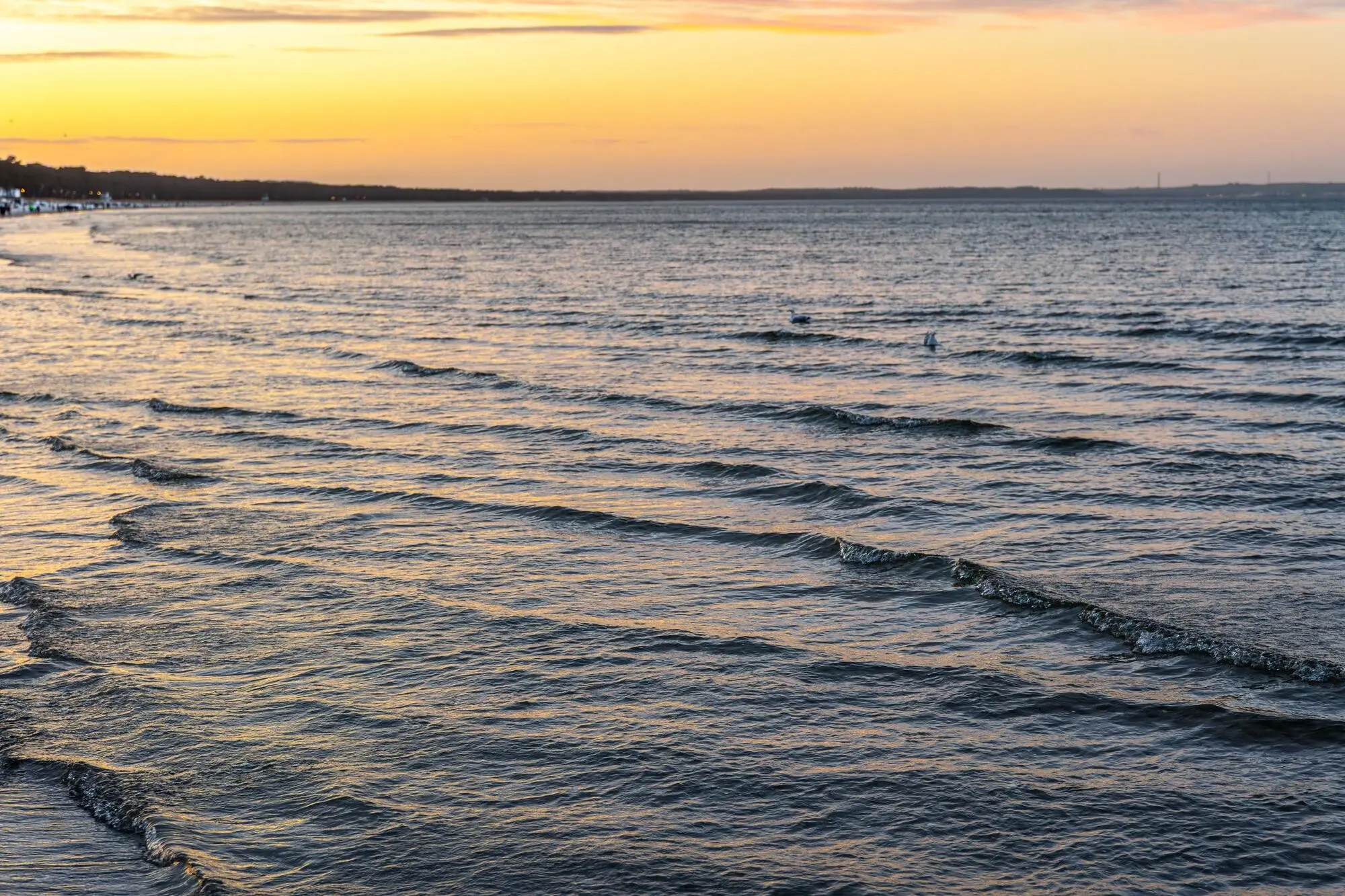
Golden hour wraps granite, heather, and lighthouse masonry in warm radiance, enriching textures and revealing wind-carved stories on every surface. Low sun angles stretch shadows like guiding arrows, helping you compose intimate details and sweeping panoramas. In this gentle brightness, seabirds flash white against amber skies, and even spray seems gilded. Move slowly, breathe steadily, and let the glowing margin of time teach you where to pause and where to wander.
Godrevy and the Sweeping Arc of St Ives Bay
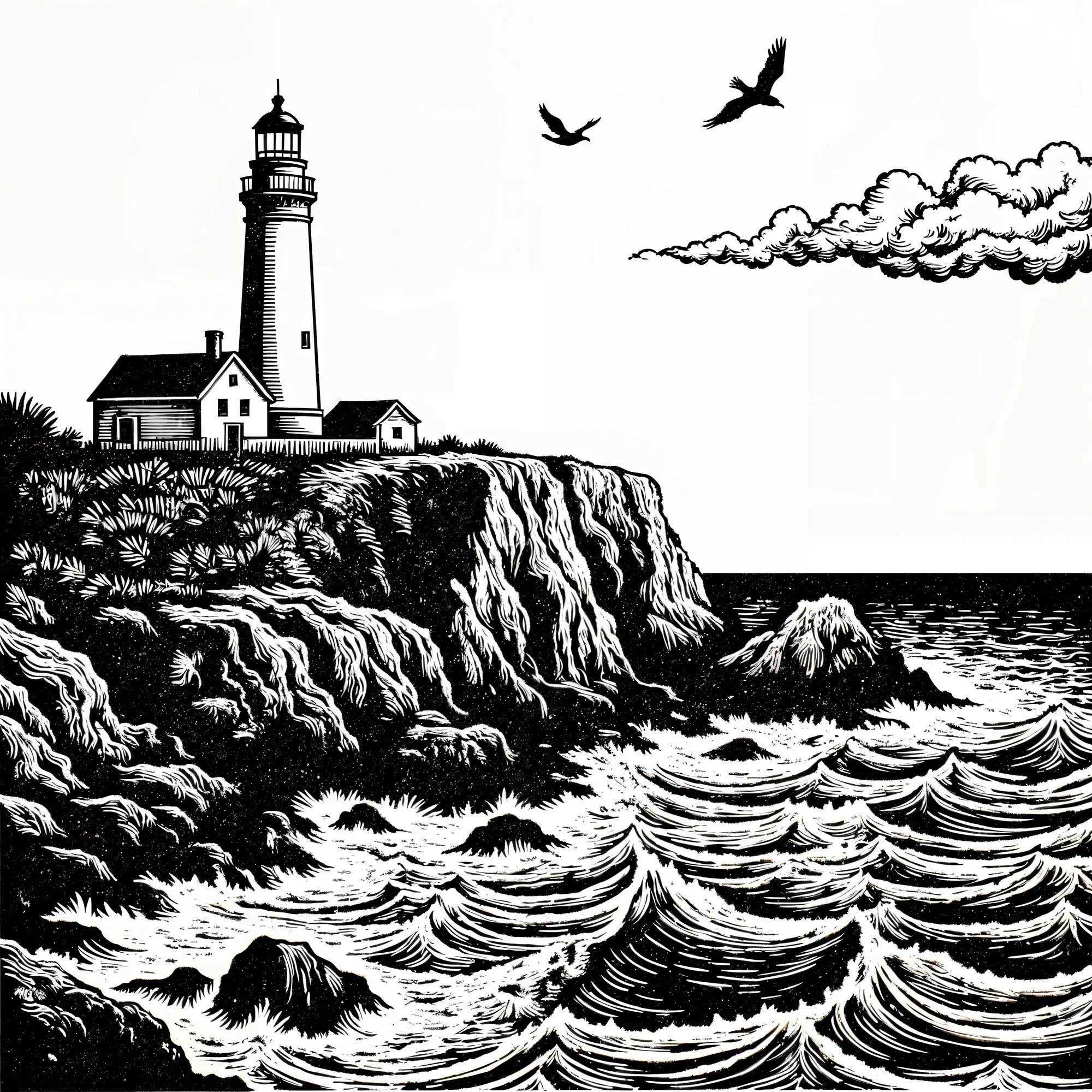
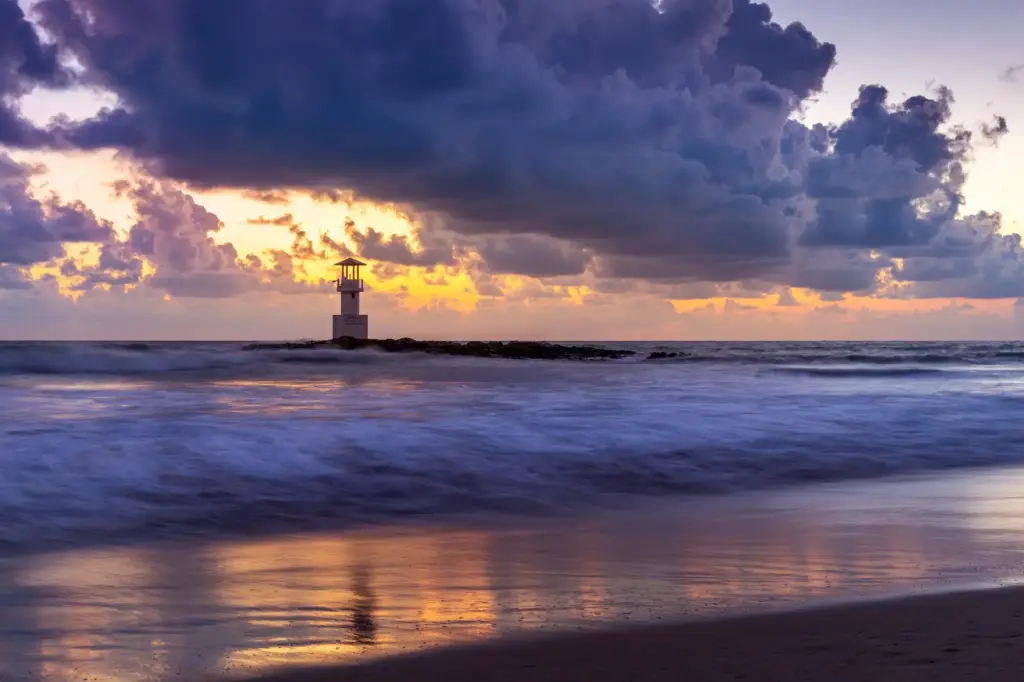
Walk the clifftops above Godrevy to watch first light spill across the iconic white tower on its rocky islet. Seals often bob in the coves below, and gannets mark feeding lines far offshore. Sunrise here favors soft pastels that bloom toward Hayle and St Ives, while winter sunsets can backlight the lighthouse with molten glow. Keep an ear out for the hush between waves, when the day seems to inhale before glowing.
Pendeen Watch and the Tin Coast Story
Follow rugged paths skirting Pendeen Watch, where lighthouse beam, mining ruins, and Atlantic power create an unforgettable trio. At dawn, granite engine houses take on gentle rose tones, while the lantern holds steady against the fading constellations. Sunsets carve bold silhouettes, dramatizing cliff geometry. The Tin Coast’s layered history whispers in rusted rails and ruined chimneys; pause to imagine lantern-keepers and miners sharing the same horizon, guided by enduring light and ocean breath.
West Horizons and Roseland Reveries
From Land’s End drama to gentler Roseland folds, these walks reveal varied personalities of coast and beacon. Consider tide timing for coves, wind for spray, and parking availability at busy months. The geometry of each headland changes how sunrise and sunset play across water and stone, so carry flexible plans. Even on days without blazing color, soft tonal shifts and rhythmic surf reward attention, promising small, unforgettable moments of light meeting movement.
Timing, Safety, and Sea-Sense for Confident Wanderers
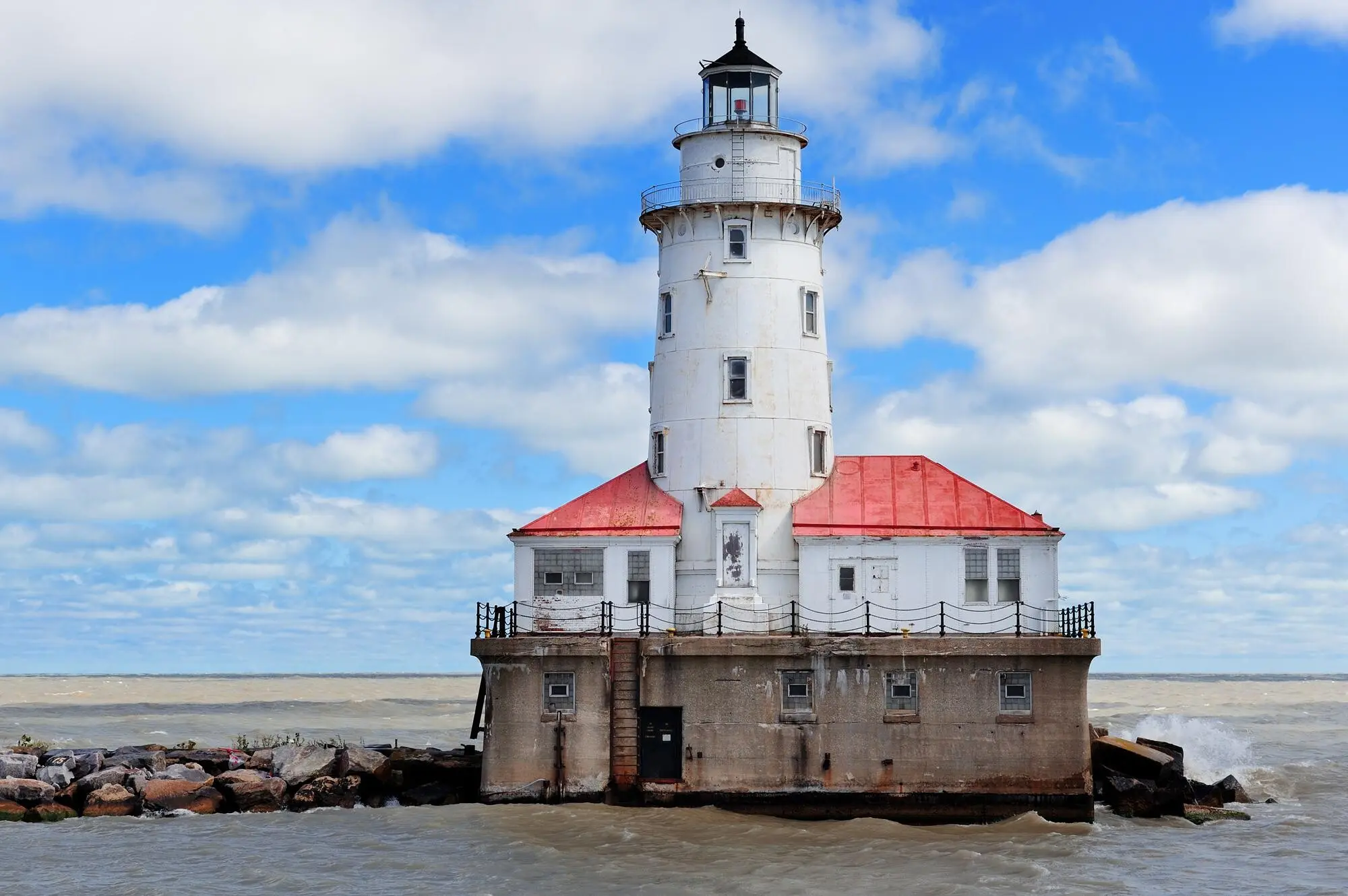
Beautiful light is sweeter when you arrive calm, informed, and ready. Check sunrise and sunset times, golden-hour windows, wind speed, and swell height. Bring a headtorch with spare batteries, layered clothing, and enough water. Tell someone your plan, download offline maps, and respect closed sections. Cliffs crumble invisibly; keep to marked paths. When in doubt, step back, breathe, and remember that tomorrow offers another horizon, another chance to greet the Atlantic kindly and wisely.
Gear, Comfort, and Little Luxuries for Lively Miles
The right kit elevates dawn starts and dusk finishes from effortful to joyful. Think comfortable, grippy footwear, breathable layers, windproof shells, and a hat even when skies look friendly. Gloves help when cameras or binoculars get cold. Bring a sit-pad for cliff pauses, and a thermos for morale-lifting sips. In summer, pack sunscreen and a light shawl for breezes. The goal is simple: minimize distractions so you can watch light do its generous work.
Feet First: Footwear and Layers that Work
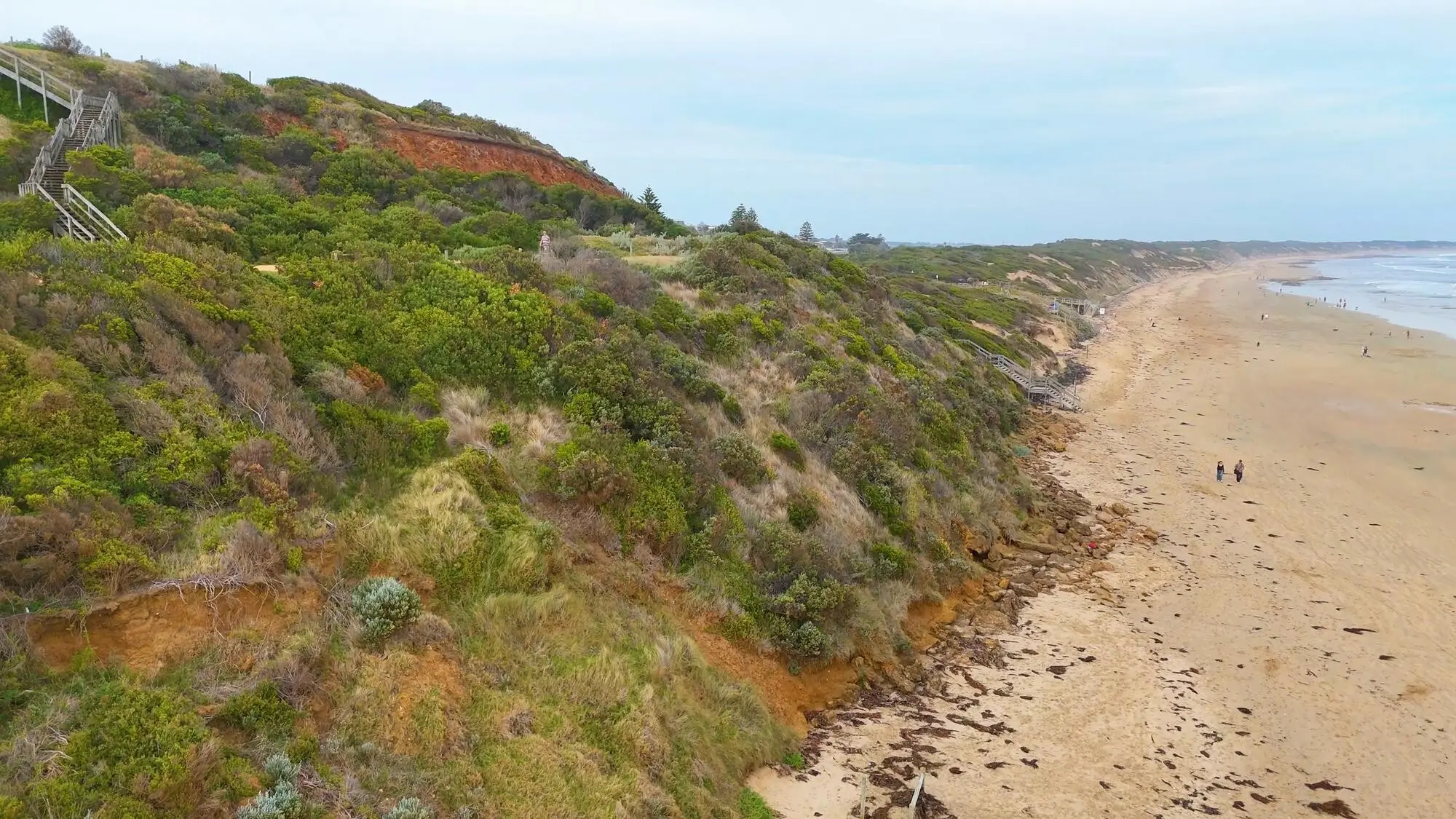
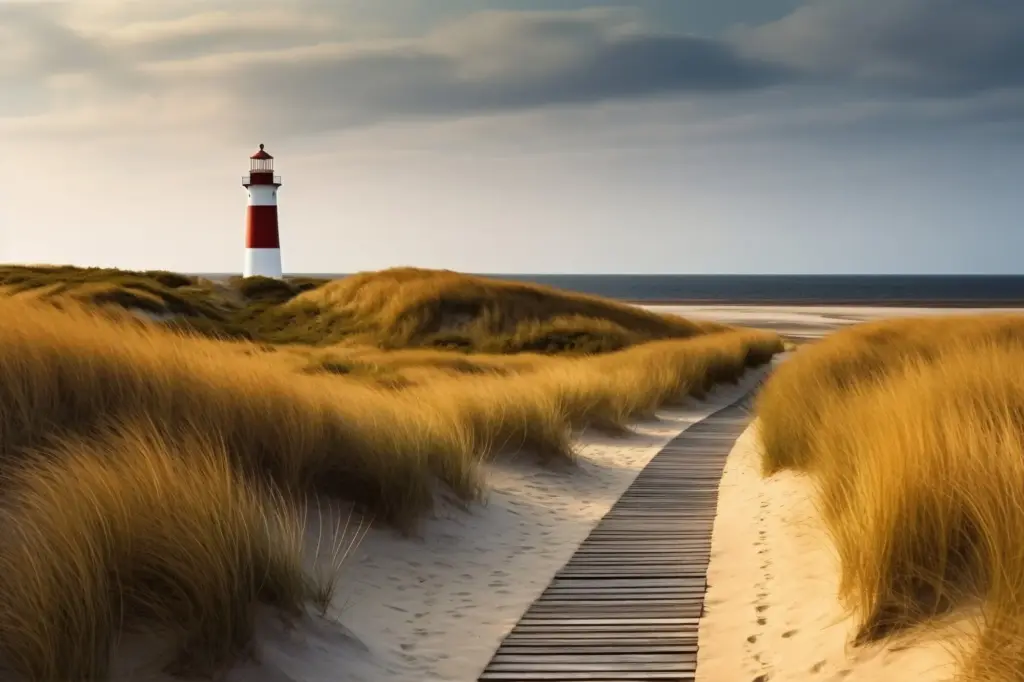
Coastal paths combine rocky steps, polished slate, and damp grass. Choose shoes or boots with reliable traction and supportive midsoles. Merino or technical layers regulate temperature across chilly dawns and warmed-up returns. A compact windproof keeps body heat steady near gusty beacons. Pack an extra pair of socks in a dry bag, because comfort after sunset often rests on tiny decisions made hours before the horizon first paled toward day.
Find Your Way: Maps, Apps, and Light
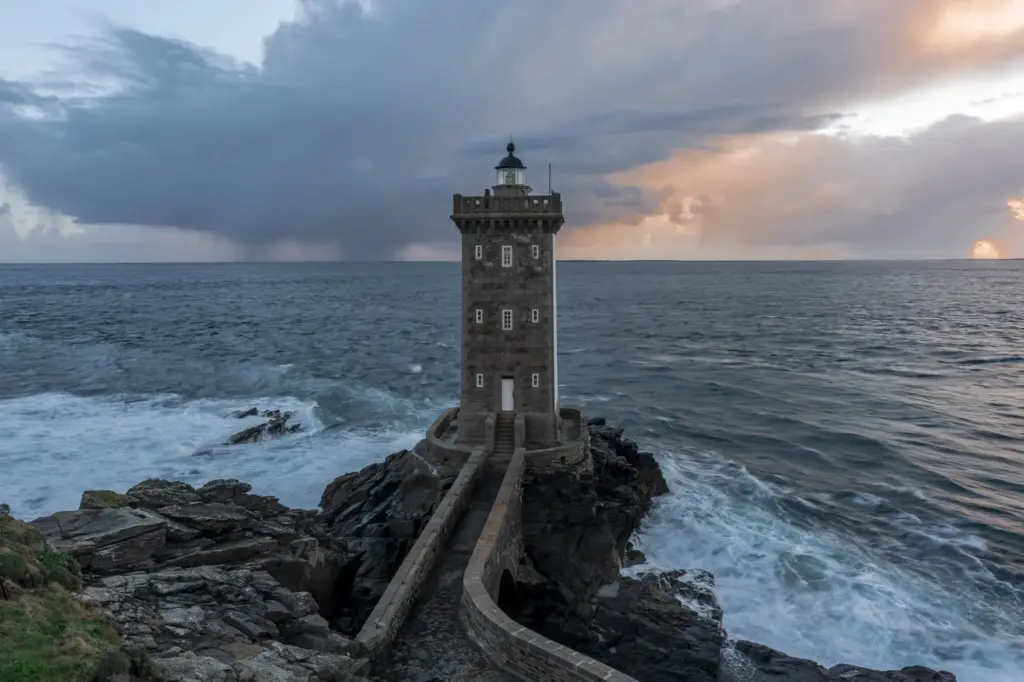
Carry a paper map as a friendly failsafe, and download offline tiles in your favorite app. A headtorch beats a phone flashlight by miles, freeing hands for rails and cameras. Red mode preserves night vision while studying compositions after dusk. Compass basics remain elegant and unbreakable. Before setting off, mark bailout points and parking coordinates. When fog or heavy rain obscures landmarks, confidence grows from preparation, not luck or hurried guesses near edges.
Food, Warmth, and Celebratory Sips
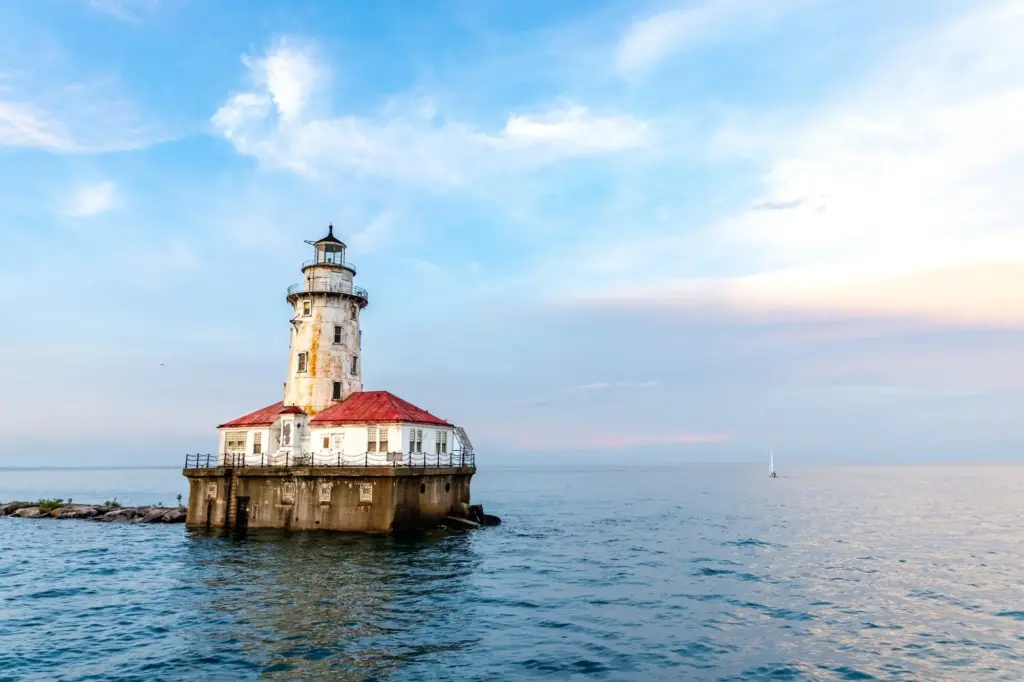
A thermos of tea or coffee transforms a chilly ridge into a private café. Pack slow-burning snacks—nuts, oats, and fruit—plus a post-walk treat like a Cornish pasty from a nearby village. Many headlands have seasonal cafés or National Trust kiosks; check hours and shoulder-season closures. Sharing a quiet drink as the lantern blinks awake or yields to dawn feels ceremonial, sealing the memory of color, texture, and wind on your skin.
Capture and Share: Images, Notes, and Community
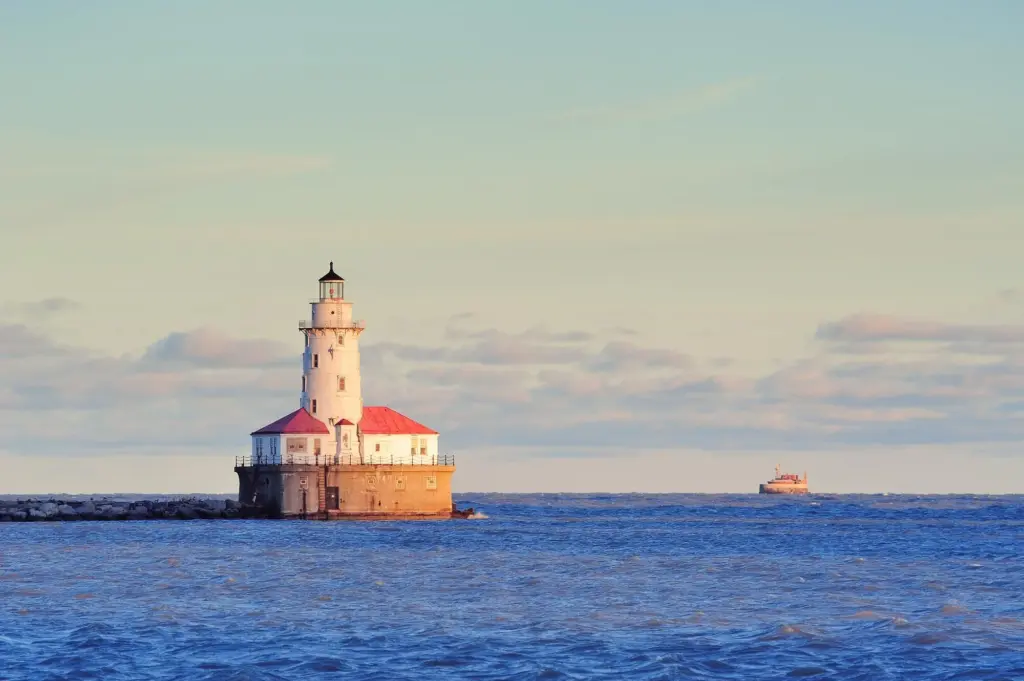
Whether you carry a phone or a full kit, coastal light invites thoughtful seeing. Compose with care, expose for highlights, and let moving elements—foam, birds, grass—add rhythm. Jot impressions while they’re fresh: the smell of kelp, the crunch of quartz, distant bell-buoy murmurs. Then share kindly. Encourage others to arrive early, tread lightly, and linger safely. Your story helps newcomers feel welcome, informed, and eager to witness the lanterns’ conversation with changing skies.